For students, teachers, NYSC corps members, stay-at-home mums and working professionals
I Started E-commerce With ₦5,000 and a Damaged Tecno Spark 7.
Now I’m sharing the practical lessons, mistakes and selling process behind the business I built.
I know what it feels like to want a way forward when your resources are limited. That is why I have broken my experience down into practical, step-by-step training—to help you understand the business and start from your own level.
The course price will increase by 50% to ₦37,500 when this offer expires.
The countdown follows the same deadline for every visitor.
Let me take you back
There Was a Time I Could Not Pay ₦24,000 in Annual Rent.
Before the sales, the supplier relationships and the businesses, this was my starting point.
I could not pay ₦24,000 in annual rent.
Before the rent became due, I was already struggling to feed myself. Some days I ate semo with palm oil and ground pepper—ata gungun. Other days it was garri, palm oil, salt and water. Sometimes I visited a friend hoping he had cooked something I could eat.
When I could not pay the rent, my landlord put my belongings in the passage. I left Ogun State for Oyo State and stayed with my girlfriend. I needed a way forward.
Not ₦240,000. Just ₦24,000—and I could not afford it.
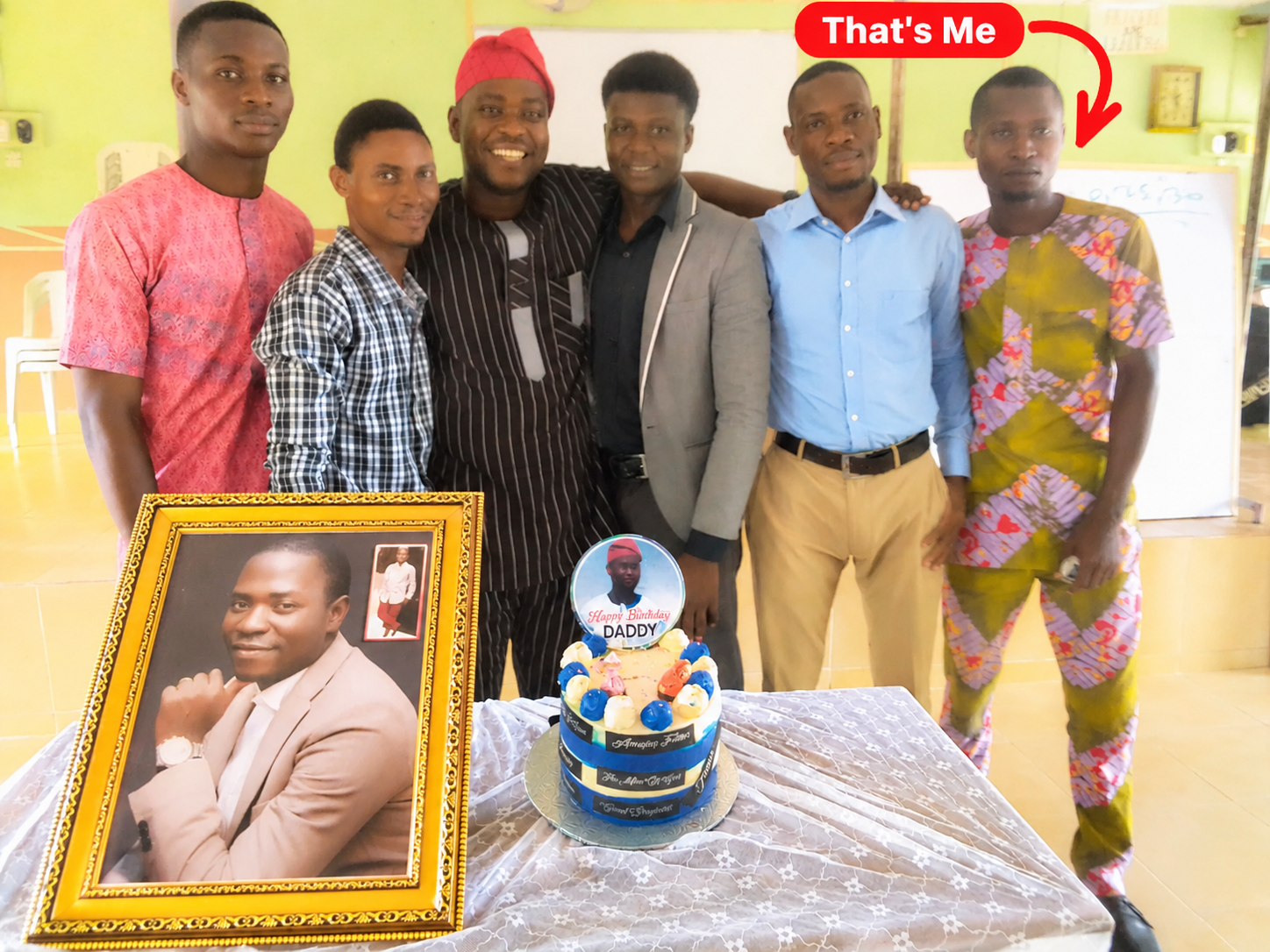
Before I started e-commerce. The arrow identifies me on the far right.Before I started e-commerce: a photograph from my early journey.
No laptop. A damaged Tecno Spark 7.
That was the phone I used to start. To work on Facebook ads, I opened Chrome, switched to Desktop Site and configured campaigns on that small screen.
It was difficult. But those were the tools available to me, so I learned to work with them.
My last ₦5,000 went into advertising a product I did not own.
I found an opportunity to sell solar generators. I could not afford to buy one, so I arranged to work with a supplier: I would advertise, find customers and earn an agreed share when a sale was completed.
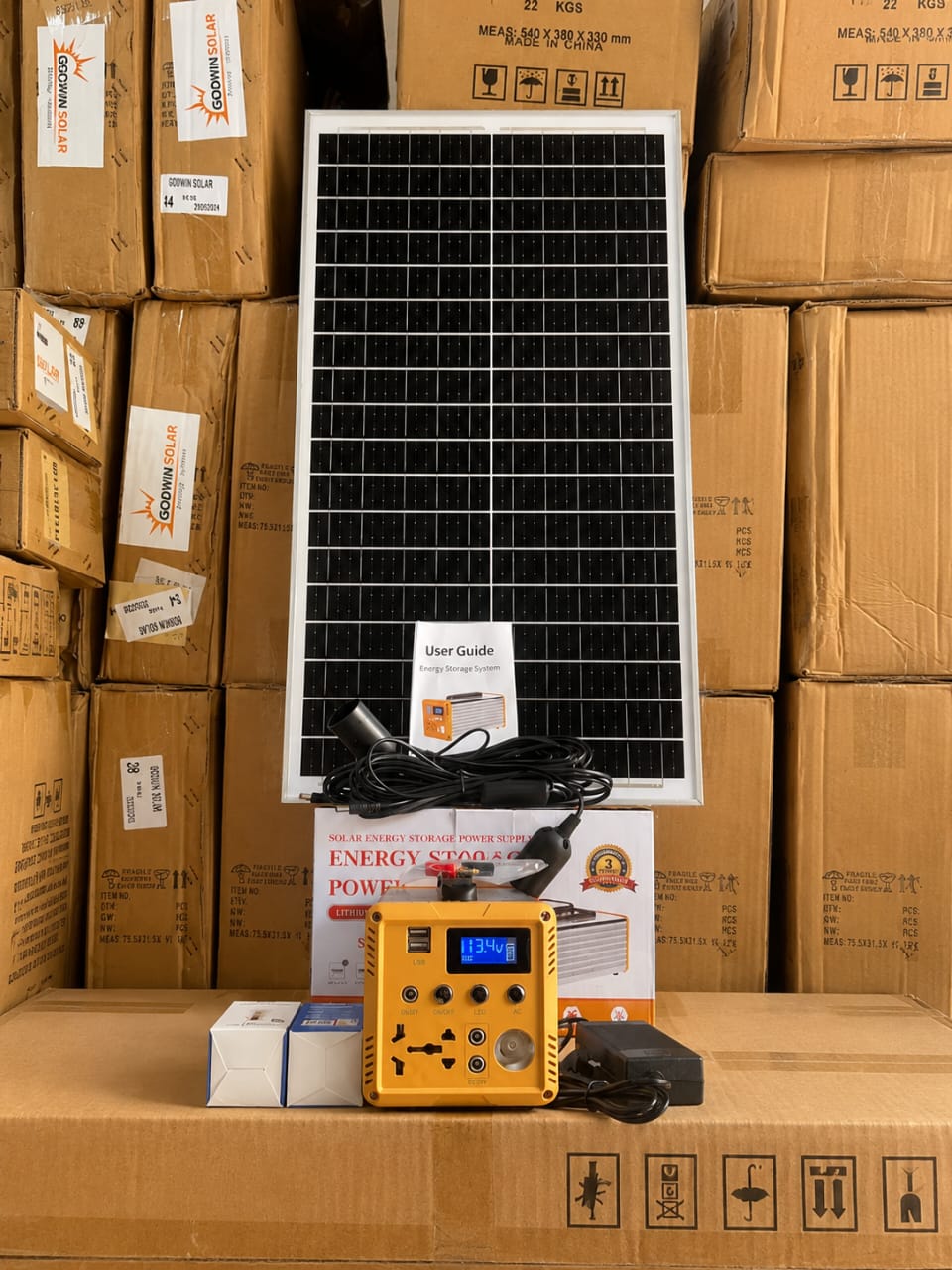
I put approximately ₦5,000 into advertising. Then an order came from Delta State. The yellow generator sold for ₦230,000. My agreed share was approximately ₦50,000 before delivery-related deductions.
That sale changed how I thought about business. I had found a route into selling without first owning the product.
The yellow generator I started selling.
From the damaged phone to a tablet—and a new home.
After roughly three to five sales, while still in Oyo State, I bought a tablet to manage my ads. As the business grew, I returned to Ogun State and rented a furnished room-and-parlour apartment for ₦550,000.
There was no single leap. It was a series of sales, lessons and decisions about what to do next.
I could not supply every order alone.
As demand grew, I worked with another vendor who supplied and delivered products to my customers. After completed transactions, the vendor sent me my agreed share.
I later sold a ₦380,000 solar product, with a share that varied from one transaction to another. The arrangement taught me that finding a buyer is only part of the job. Sourcing, delivery, customer service and costs matter too.
A later solar generator from my business journey.
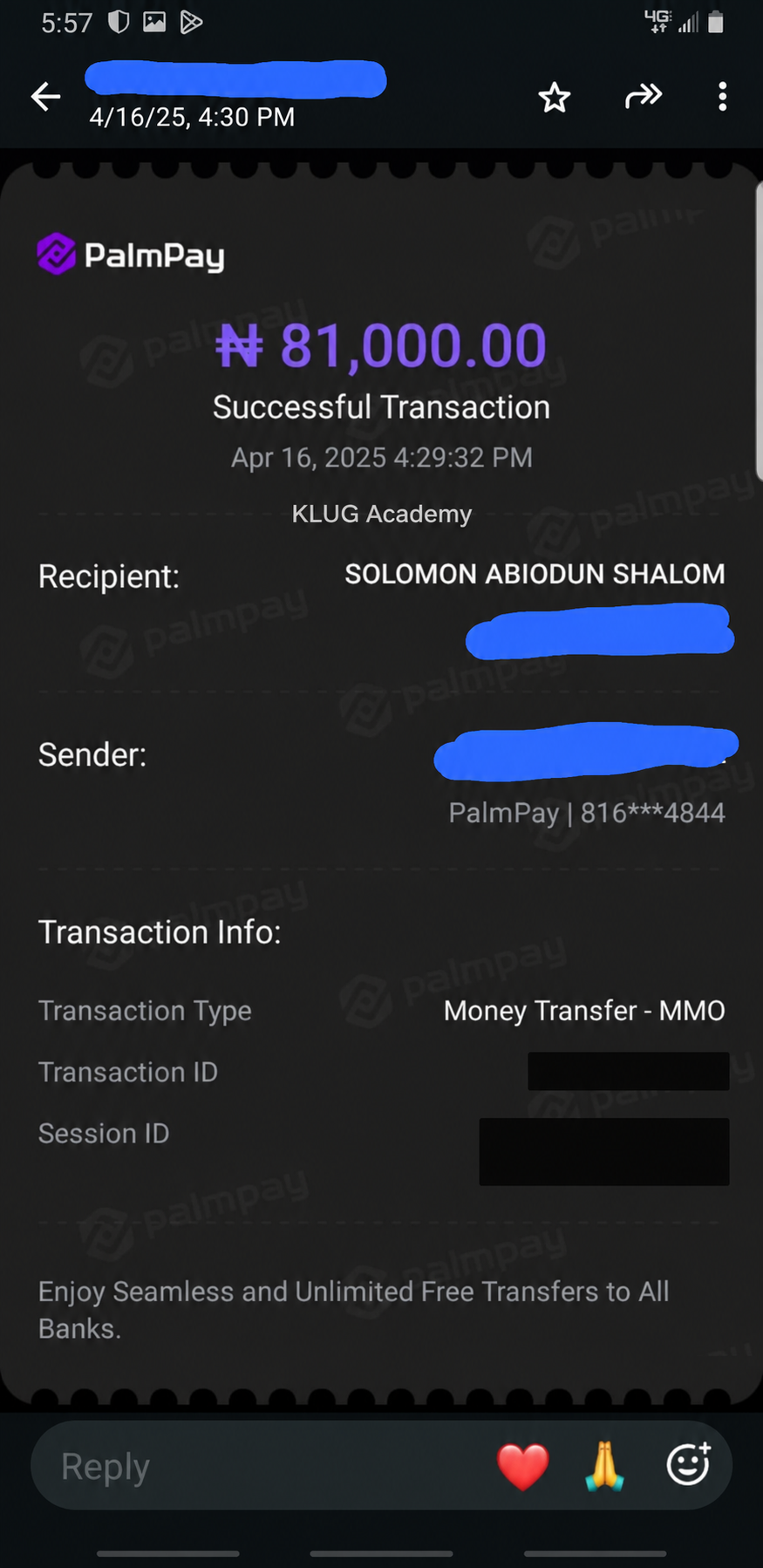
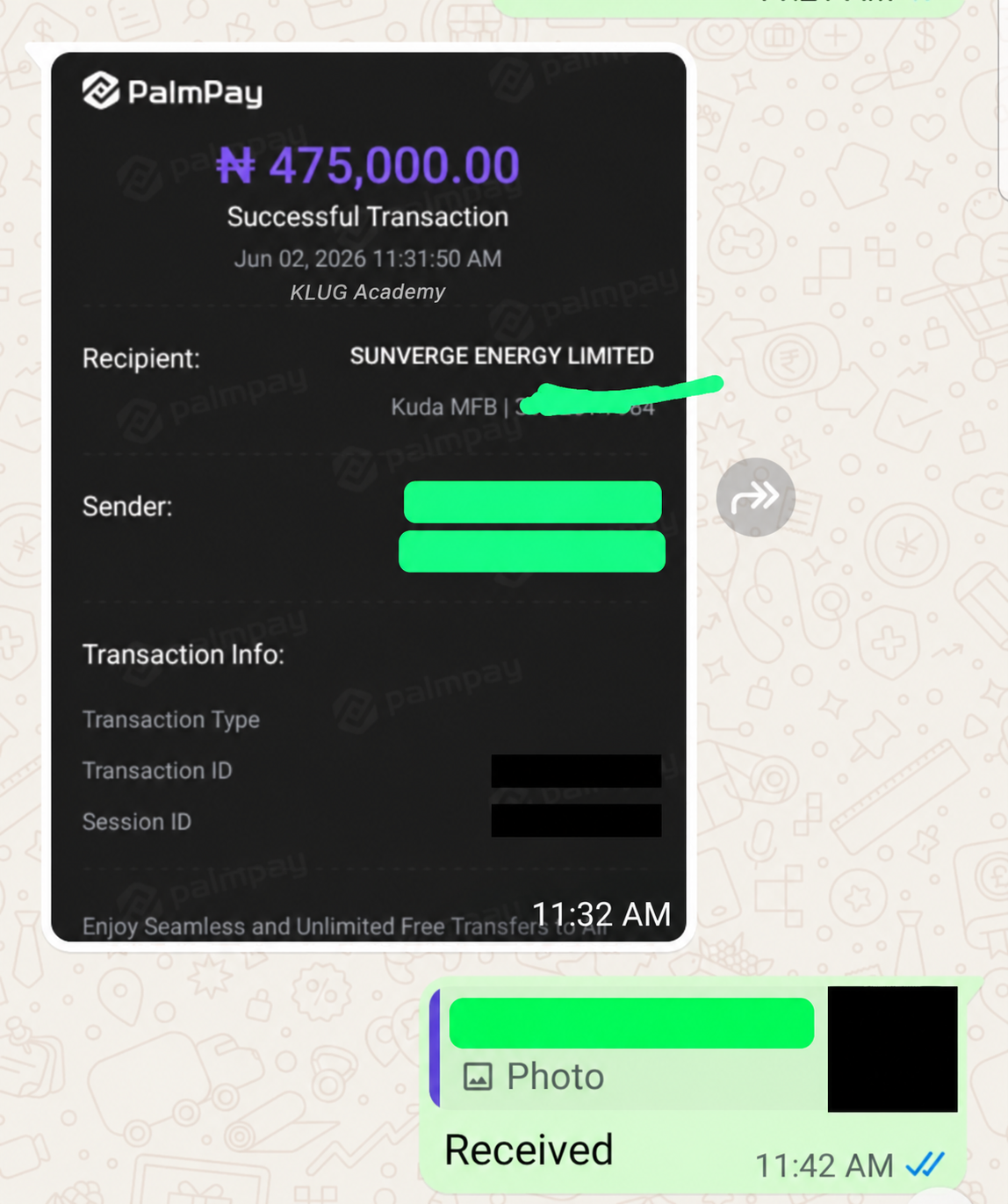
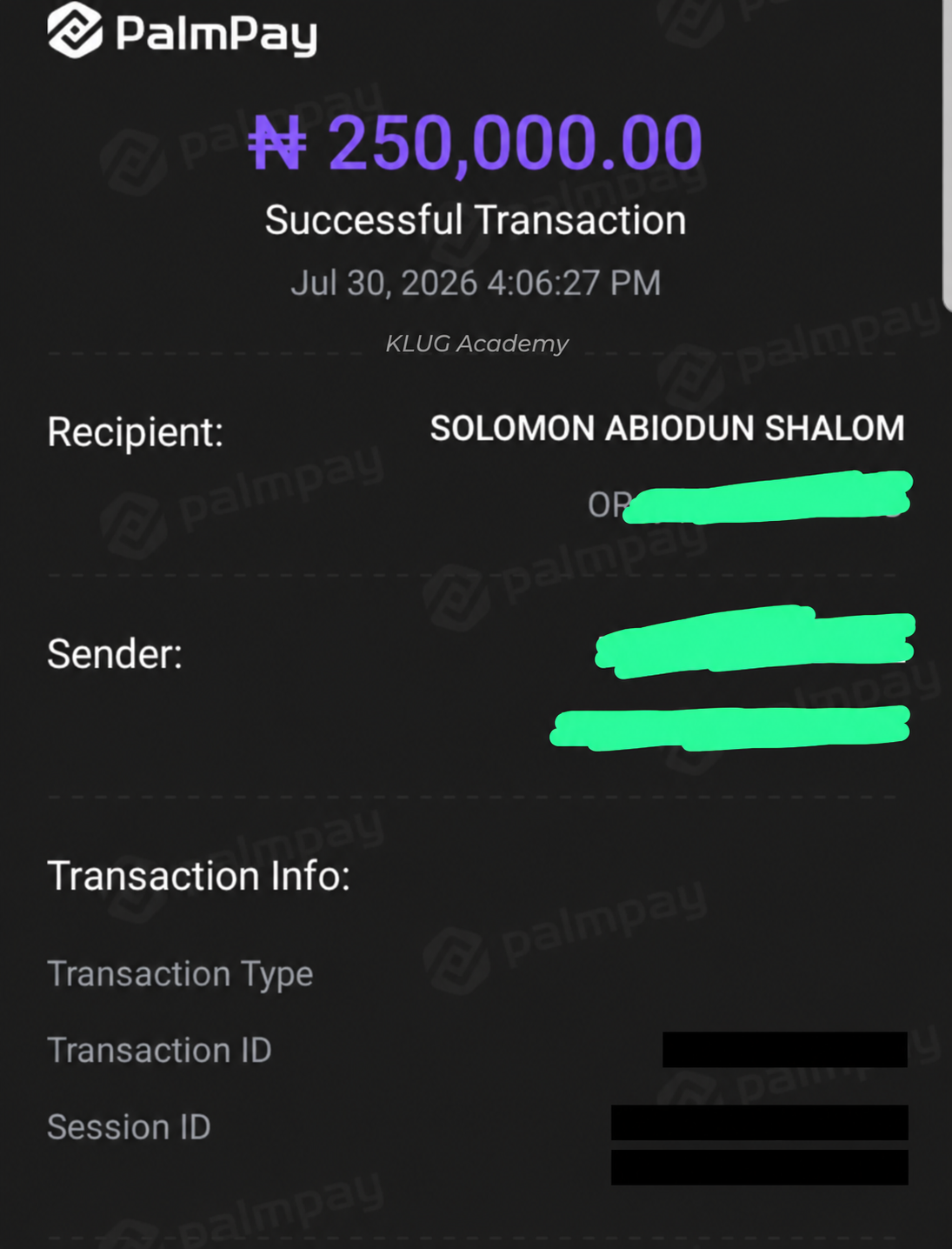
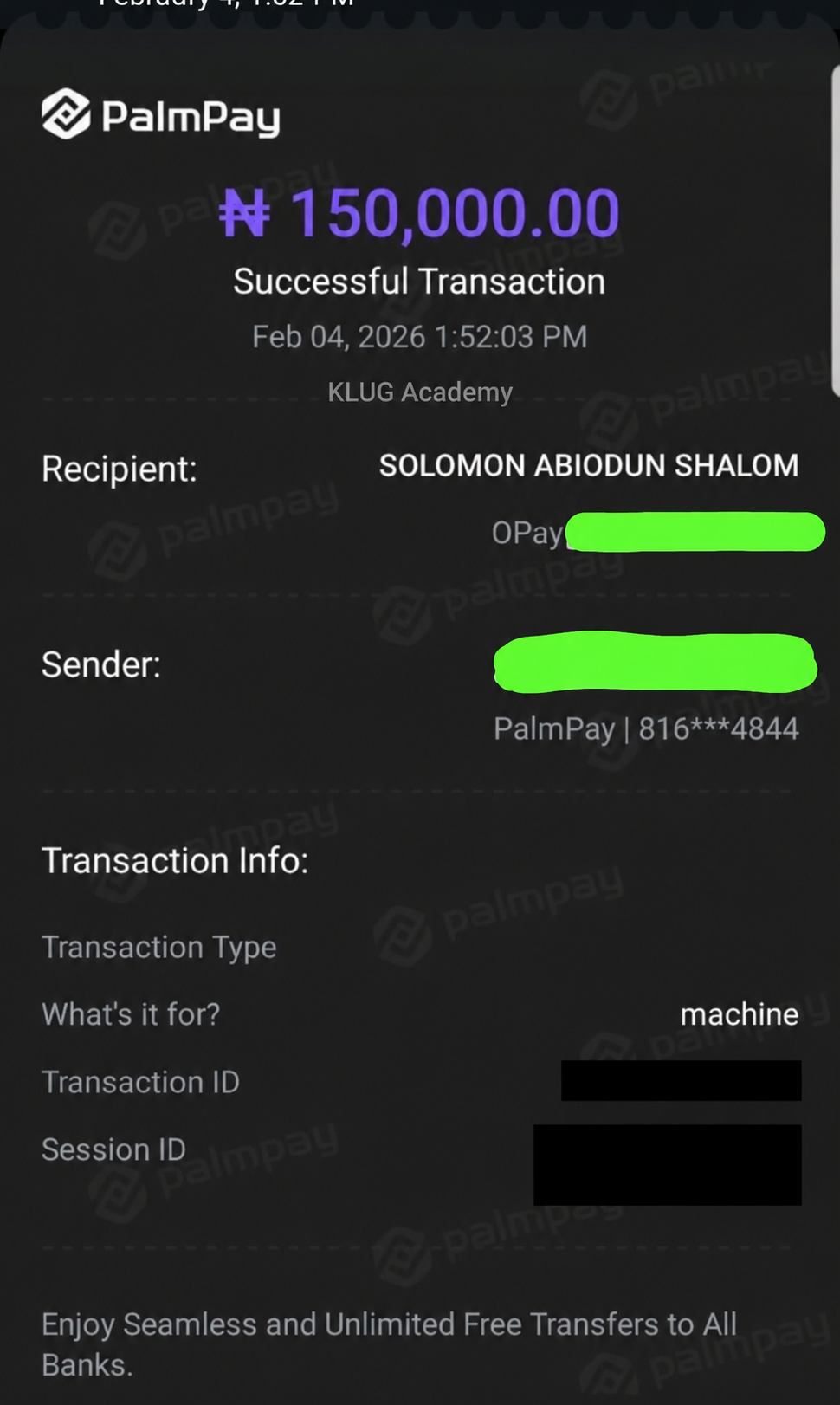
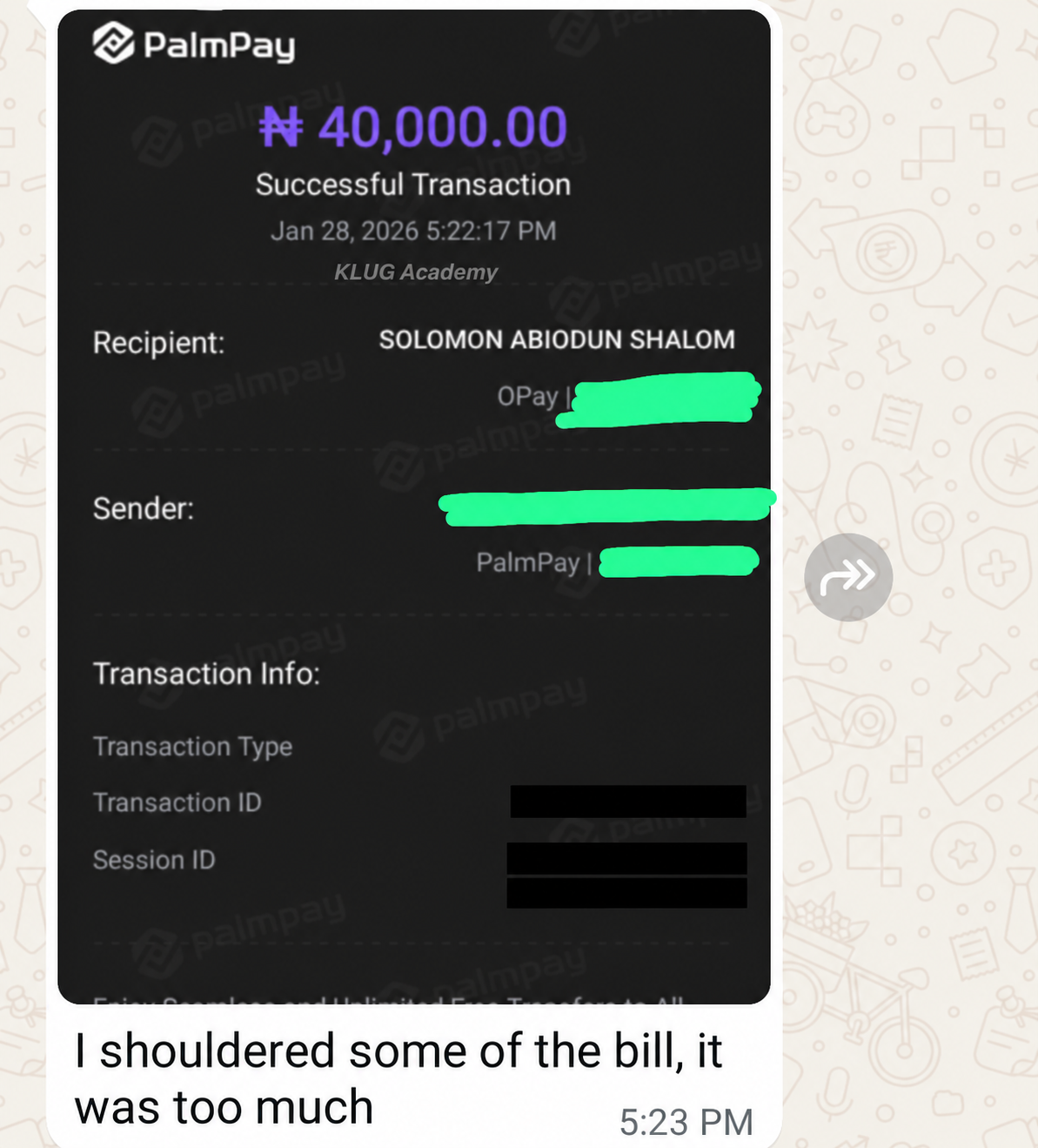
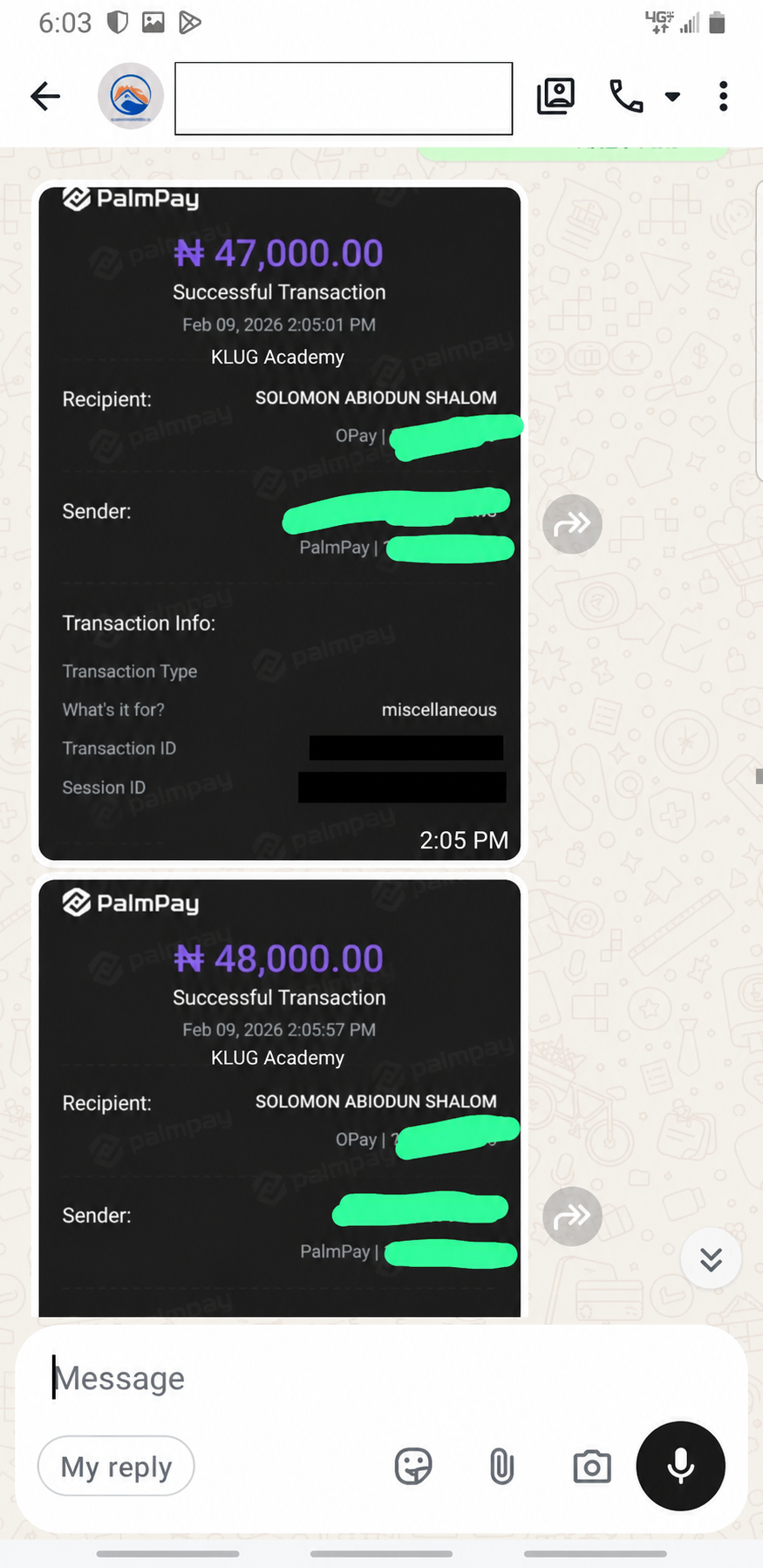
Payment records from that business journey
Payment Records From the Business Behind This Training.
The records below are later payments dated 2025–2026, not the original first-sale receipt. They show transfers received; they do not by themselves establish net profit or student earnings.
Privacy-edited copies of supplied screenshots. Amounts and dates have been checked against the supplied images; private identifiers are covered and a KLUG Academy watermark has been added. These records are not independently audited.
More sales did not remove the need to understand costs.
As I compared suppliers, I found that sourcing prices could differ substantially. My examples included ₦180,000 compared with ₦130,000, ₦280,000 compared with ₦230,000, and ₦850,000 compared with ₦600,000.
Those are sourcing-price comparisons, not profit figures. Advertising, delivery, product quality and returns still affect what the business keeps. That is why the training covers the numbers behind a sale.
Sunverge Energy Limited—and a delivery business that began with two bikes.
In less than three years, I established three companies as I reinvested and built on my experience:
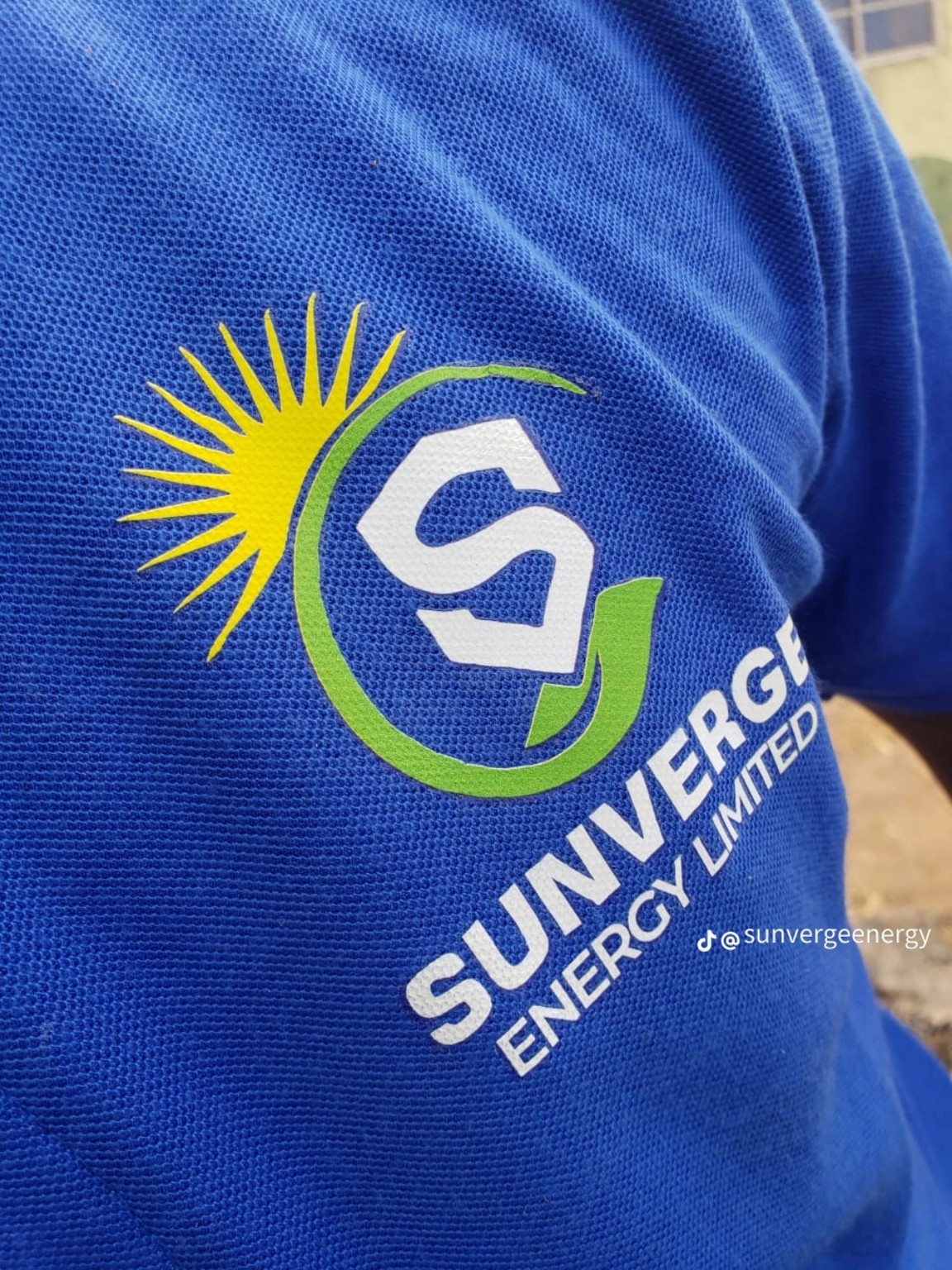
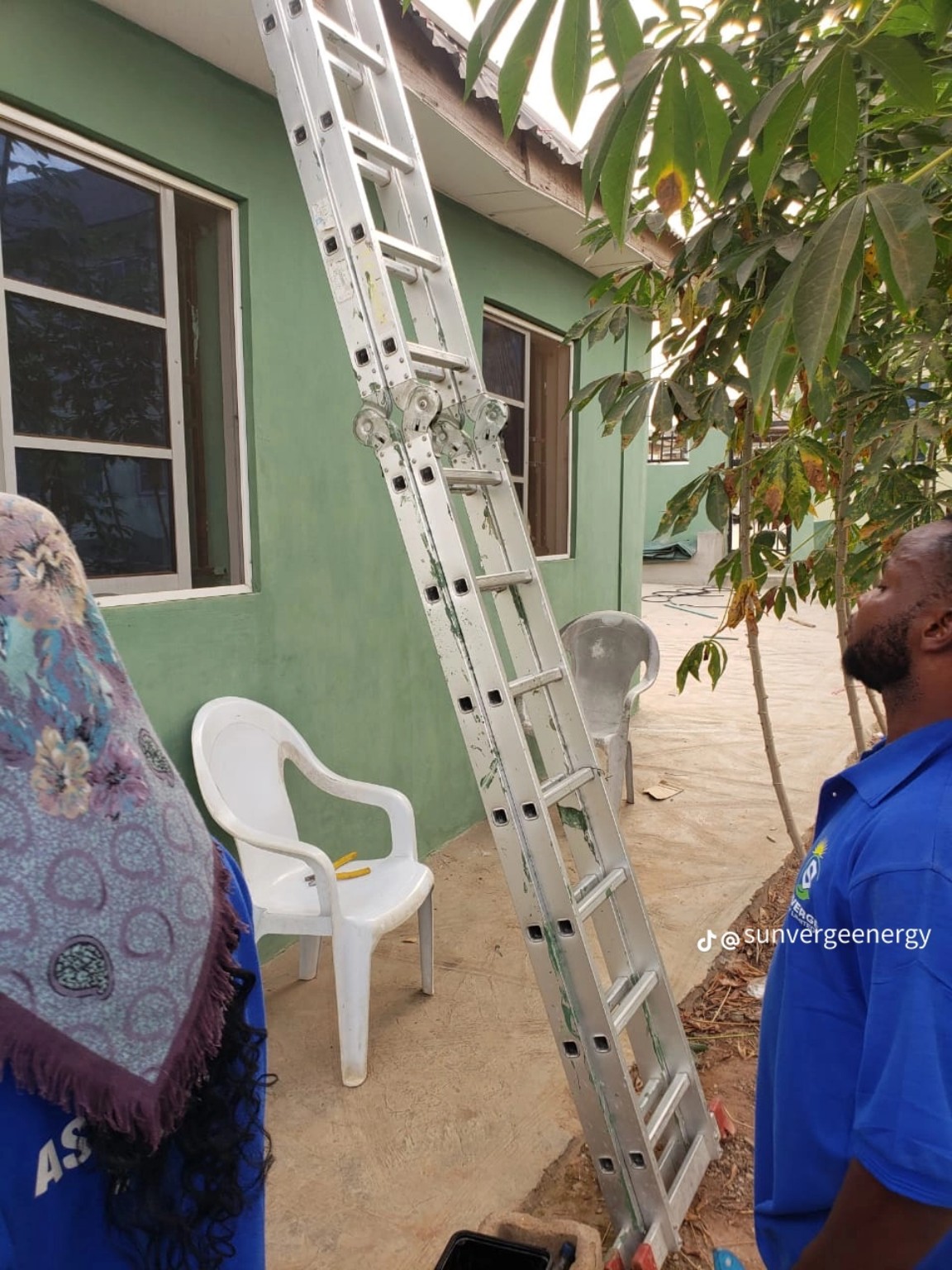
Sunverge Energy Limited — our energy business, including client installation work.
Klug Import and Logistics Limited — helping clients import from China, Dubai and the USA.
Stark Host and IT Solutions Limited — designing and building software and applications for companies.
KLUG Express Logistics is a brand under Klug Import and Logistics Limited.
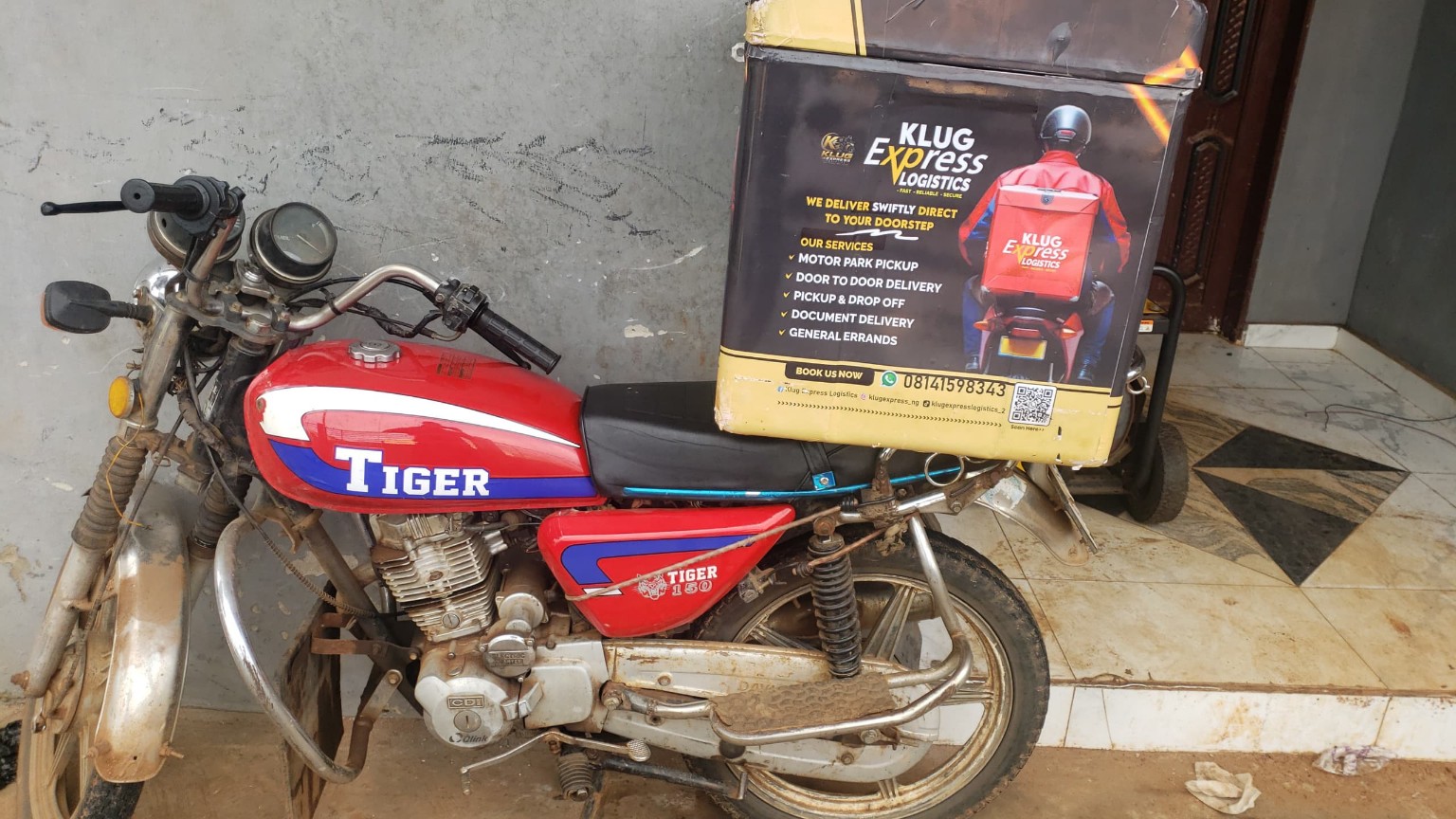
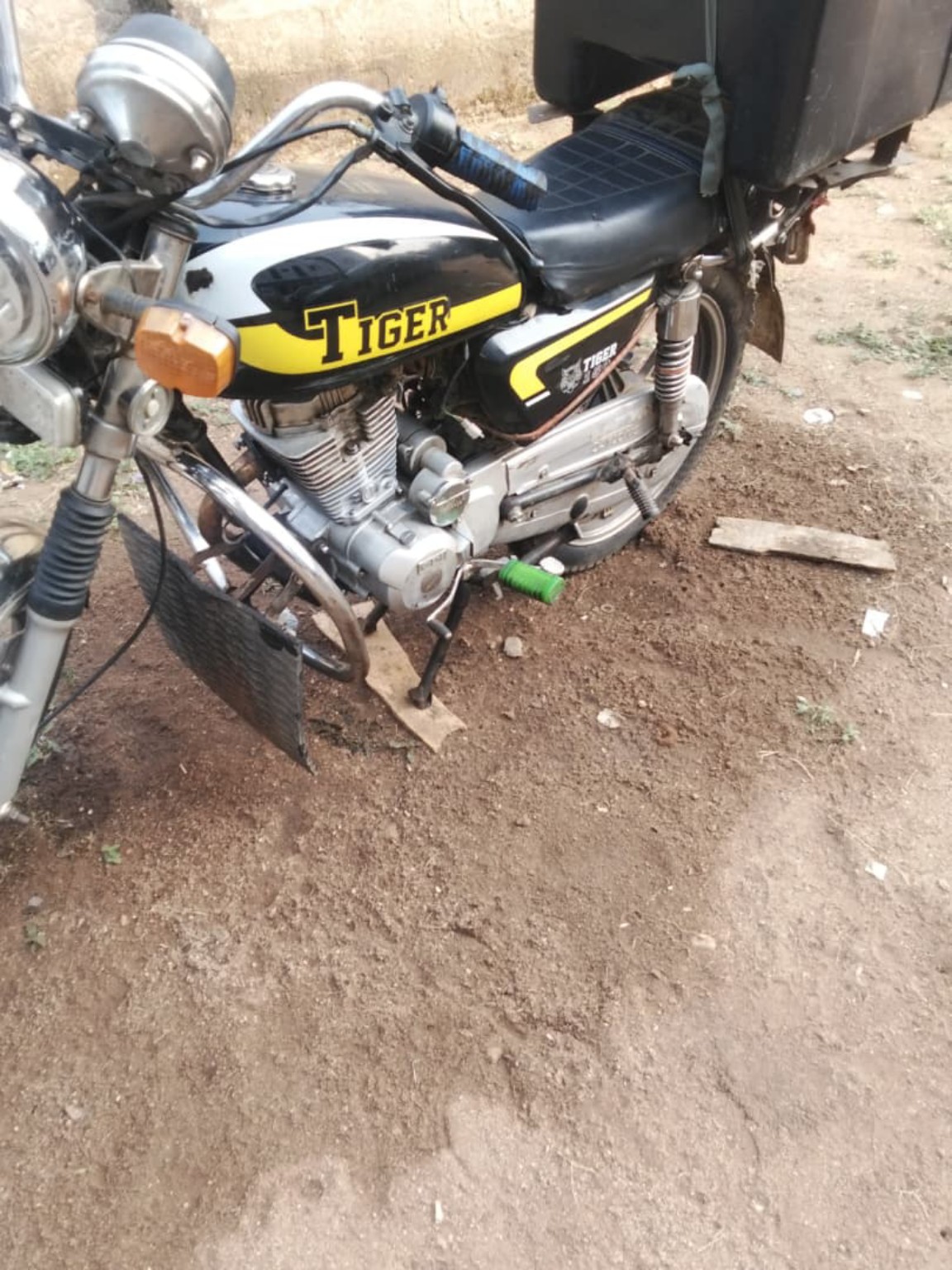
Delivery delays were costing us orders. That problem led me to start KLUG Express Logistics with two bikes, to deliver our own products and handle deliveries for other businesses.
Sunverge Energy Limited.On site during client installation work.One of the two delivery bikes I started with.The second delivery bike.
Client work from our Sunverge business journey.Solomon .A. Shalom — the journey continued beyond my starting point.
From struggling to pay ₦24,000 a year in rent to months of ₦3 million–₦10 million in net profit.
Since mastering the business, I have personally achieved monthly net profits ranging from ₦3 million to ₦10 million after all business expenses. The business has also helped me acquire property. Considering where I started, that is a huge change in my life.
These are my own reported business results, not a promise that you will earn the same amount. The payment screenshots above show individual transfers; they do not establish these monthly net-profit totals.
You are learning from the business I have actually been running.
Over the years, I have refined how I choose products, prepare offers, advertise, coordinate deliveries and review the numbers. I want to bring those practical lessons to you in a simpler order—so you can understand what to do, why it matters and which mistakes to avoid. Your results will depend on how you apply the training and the costs of your own business.
Practical training and included resources. Paystack processing charges apply at checkout.
Across different product niches
This experience goes beyond solar generators.
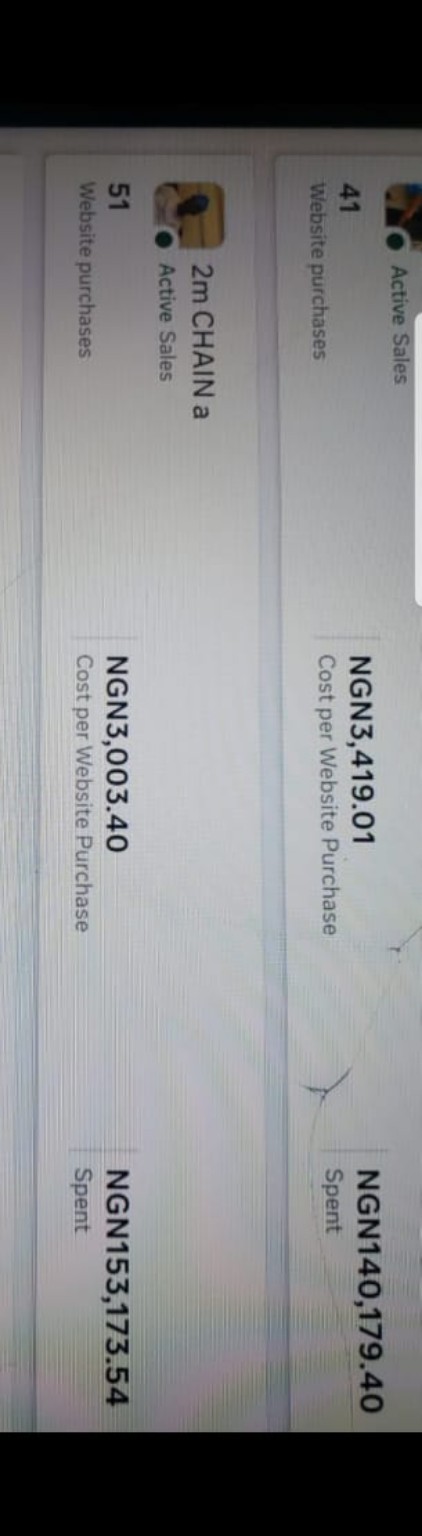
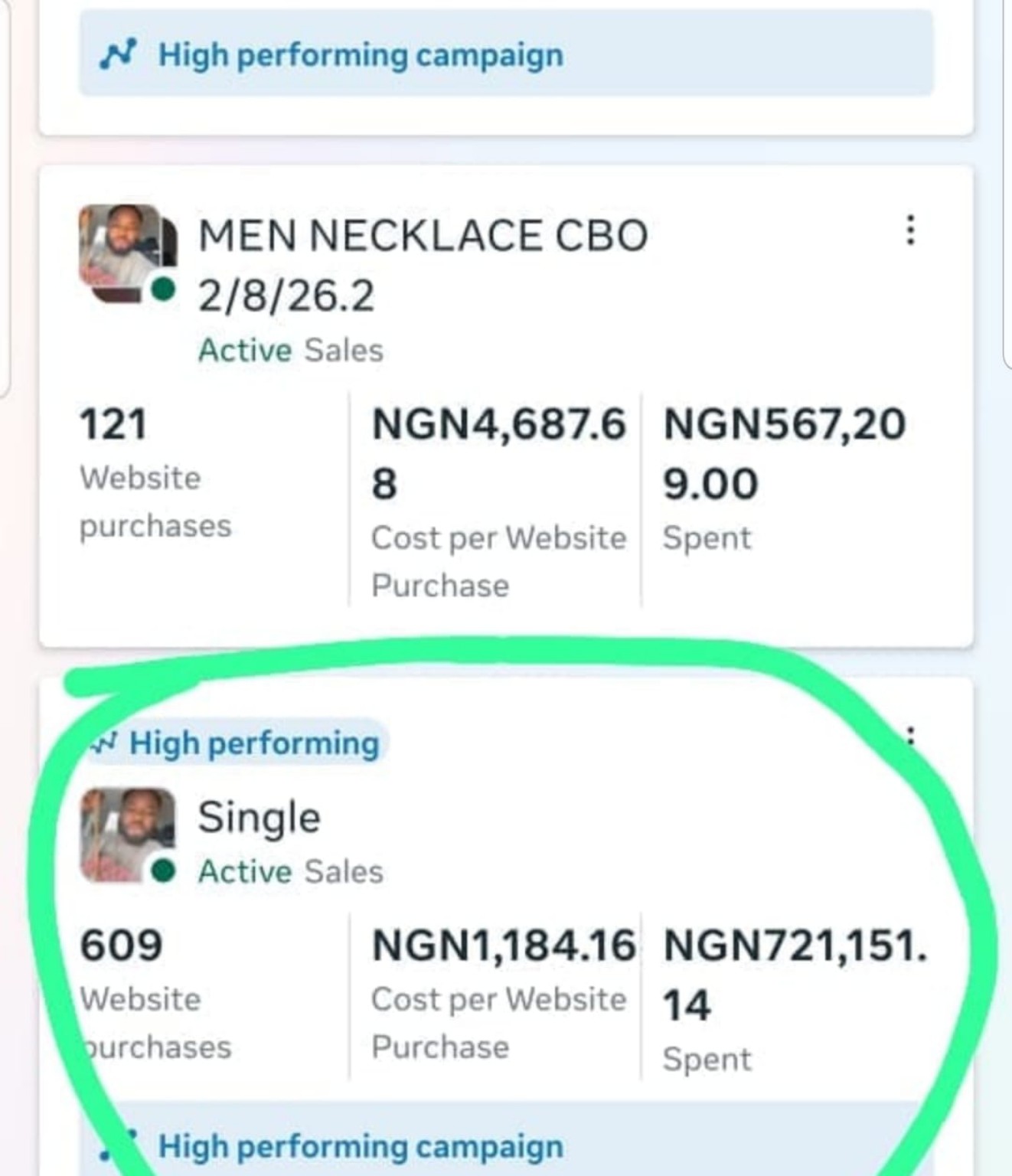
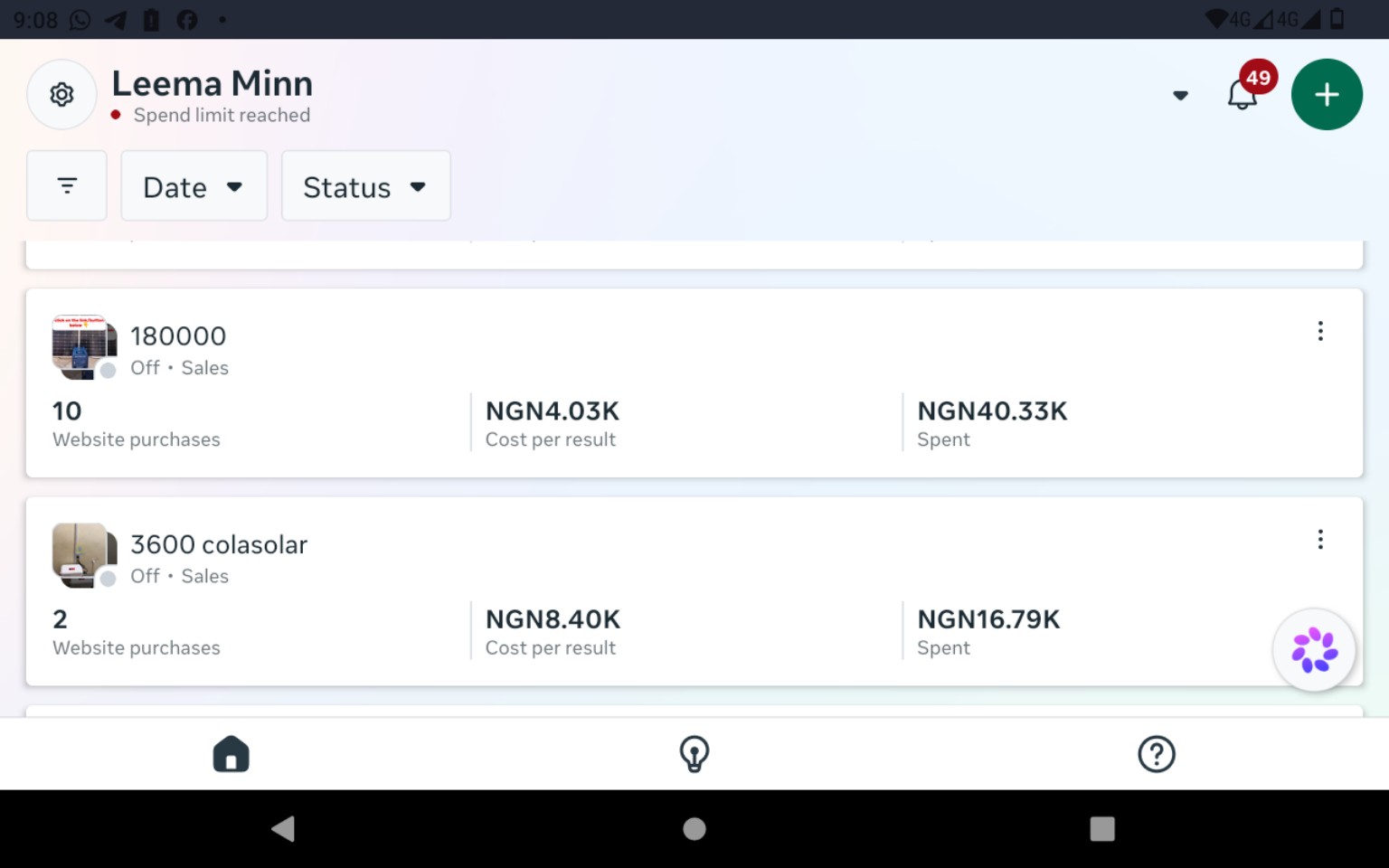
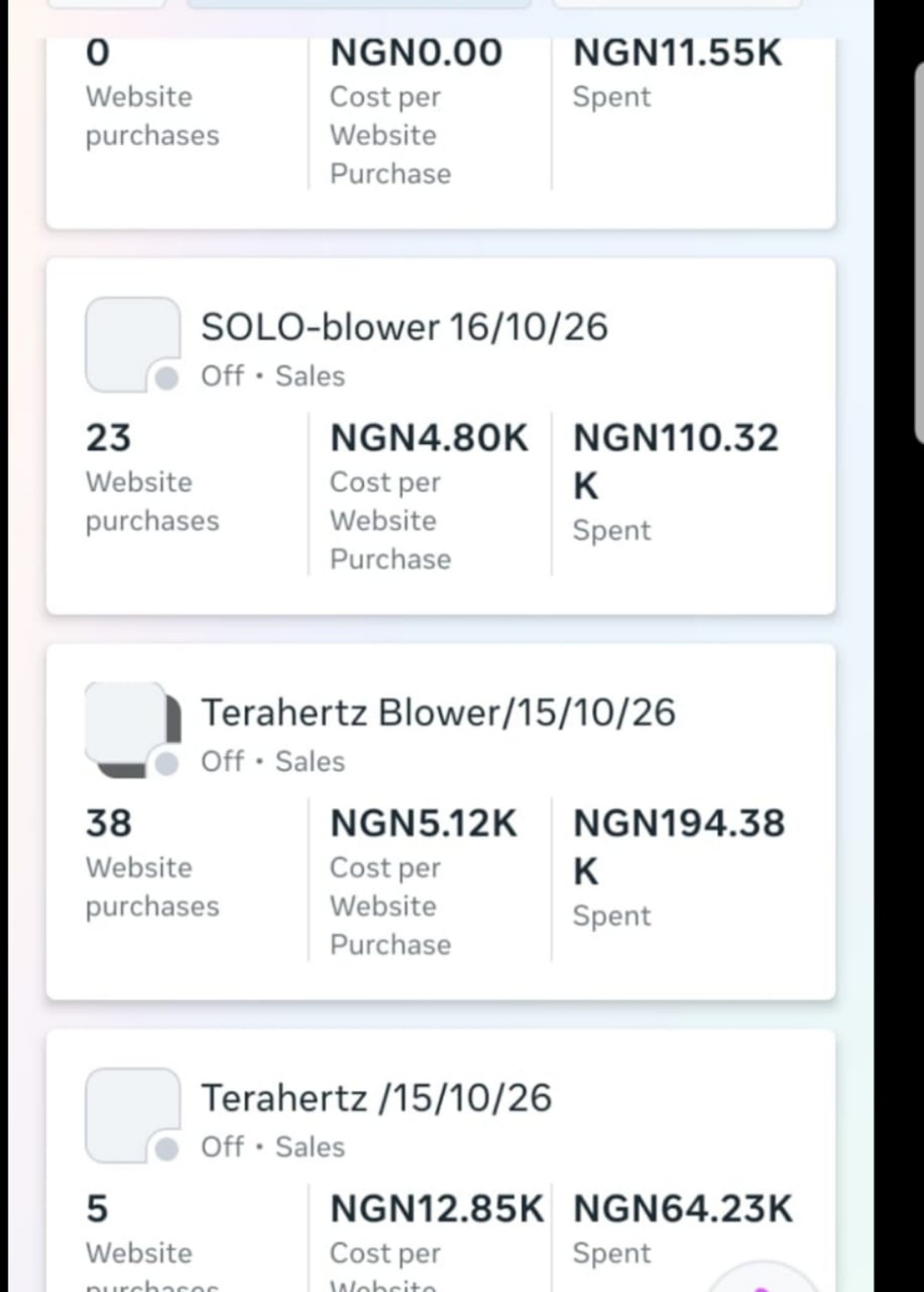
We have sold across beauty, home improvement, power and energy, fashion and accessories—including necklaces, footwear and anti-theft bags. Here are examples from our advertising campaigns.
Chain campaigns: 41 and 51 website purchases reported, at ₦3,419.01 and ₦3,003.40 per website purchase.Necklace campaign: 121 website purchases at ₦4,687.68 each. The “Single” campaign shows 609 at ₦1,184.16 each.Solar campaign screenshots show 10 and 2 website purchases, with costs per result displayed as ₦4.03K and ₦8.40K.Blower campaigns show 23, 38 and 5 website purchases, with costs per website purchase of ₦4.80K, ₦5.12K and ₦12.85K.
These original screenshots show Ads Manager-reported website purchases, costs and spend for the campaigns displayed. They do not establish delivered orders, profit or typical student results. Results vary by product, period, budget and execution. Screenshots may overlap, so the figures are not added together. Tap a screenshot to view the original.
Practical training and included resources. Paystack processing charges apply at checkout.
Now, let’s talk about your starting point
E-commerce Can Feel Complicated. Let Me Show You Where to Start—and What to Do Next.
Maybe you have been thinking about selling online, but the questions keep piling up.
What should I sell? Where will I find a supplier? How do I prepare a sales page? What do I put in an advert? And how will I know if I am actually making money?
I have had to work through those questions in my own business. This training puts the lessons into a practical sequence you can follow, rather than leaving you to piece everything together alone.
You can begin learning from where you are.
Student. Teacher. Corps member. Stay-at-home mum. Banker. Employee. Self-employed. You do not have to share my background to learn the process, and you do not have to leave your existing responsibilities to start studying it.
You will need to make time to practise, speak with customers and follow up on orders. I will show you the steps; you will work through applying them to your own offer.
Work through choosing an offer, preparing your page, advertising, following up and understanding your costs.
Choose what to sell with a reason behind the decision. Learn how to assess a customer’s problem, compare products and suppliers, and check the numbers before committing more money.
Turn your product into an offer people can understand. Work through the sales page, product message, images and video ideas that explain why someone should consider buying.
Prepare and test your advertising. Learn Facebook campaign setup, how to read results, and what to investigate when costs rise or enquiries do not become orders.
Follow through after an enquiry arrives. Learn customer follow-up, supplier coordination, delivery and the costs that turn a reported order into a completed sale.
Make decisions using your actual numbers. Account for advertising, sourcing, delivery and returns before deciding whether to test again or increase spending.
Want every lesson topic? Open the full course outline.
01My starting point: the lessons behind the story3 lesson topics+
The circumstances I started from
My first supplier-based sale
What changed—and the mistakes to avoid
02Sell without buying stock first4 lesson topics+
How supplier-based selling and dropshipping work
Agreeing prices, margins and responsibilities
Checking stock and supplier reliability
Choosing approved products and handling unavailable stock
03Research products before committing money4 lesson topics+
Make time for the lessons, work through the exercises and start preparing your first offer. Use the implementation plan to review and improve over the following weeks.
Choose: research a product, customer and budget.
Prepare: build the offer, sales page and creatives.
Test: launch when ready, handle orders and review costs.
The aim is to begin implementation within two weeks, not to promise earnings by a deadline. Your pace and results will vary.
Practical training and included resources. Paystack processing charges apply at checkout.
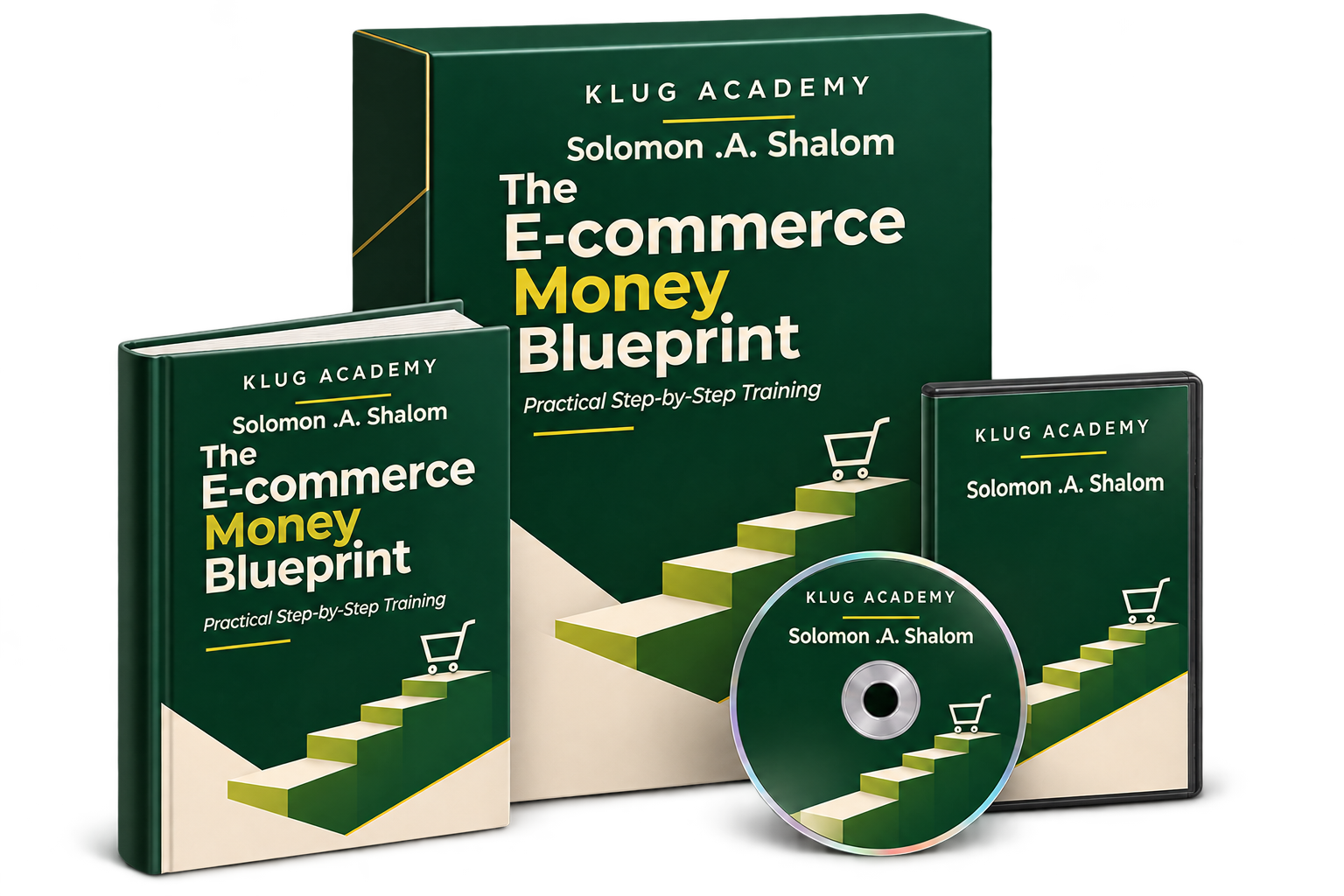
Digital training. The packaging is a visual illustration; no physical books or CDs are shipped.
Included with your practical training
You get the training—and resources to help you put it into practice.
Alongside the step-by-step lessons, your Standard package includes five tested product opportunities, ready-to-edit sales pages, and image and video creatives. These are resources to support your implementation—not a substitute for learning how the business works.
Five tested product opportunities across different niches: explore opportunities in home improvement, healthcare, tech and other niches, with product details and sourcing access. Physical stock is not included in the course fee.
Elementor sales-page templates: adapt the supplied templates for your own offer and ordering process.
Image and video creatives: use supplied advertising materials and learn how to create more.
Practical training: learn how to advertise, follow up, track costs and manage orders.
Dropshipping access: a route to selling approved products without purchasing stock upfront.
What should you budget?
Our indicated sourcing range for these products is ₦5,000–₦7,000 per item, with recommended selling prices of ₦45,000–₦55,000. Confirm the current price and availability for each product before promoting it. These are our recommended price ranges, not guaranteed sales or profit.
You can begin a small advertising test with a budget of ₦5,000–₦7,000, separate from enrollment. It is a starting test budget, not a promise of orders or the total cost of running the business. Advertising, delivery, payment charges, failed deliveries and returns reduce your actual margin.
You are learning a repeatable process, not just receiving files. Our experience with a product does not guarantee your campaign results; availability, prices and supplier terms can change.
Online lessons10-module curriculum4 bonus topics
Standard enrollment ₦25,000
Paystack processing charges are added at checkout. Advertising, internet access and fulfilment are separate business costs. Sales and earnings are not guaranteed.
Four practical bonuses
Practical guides to support your next steps
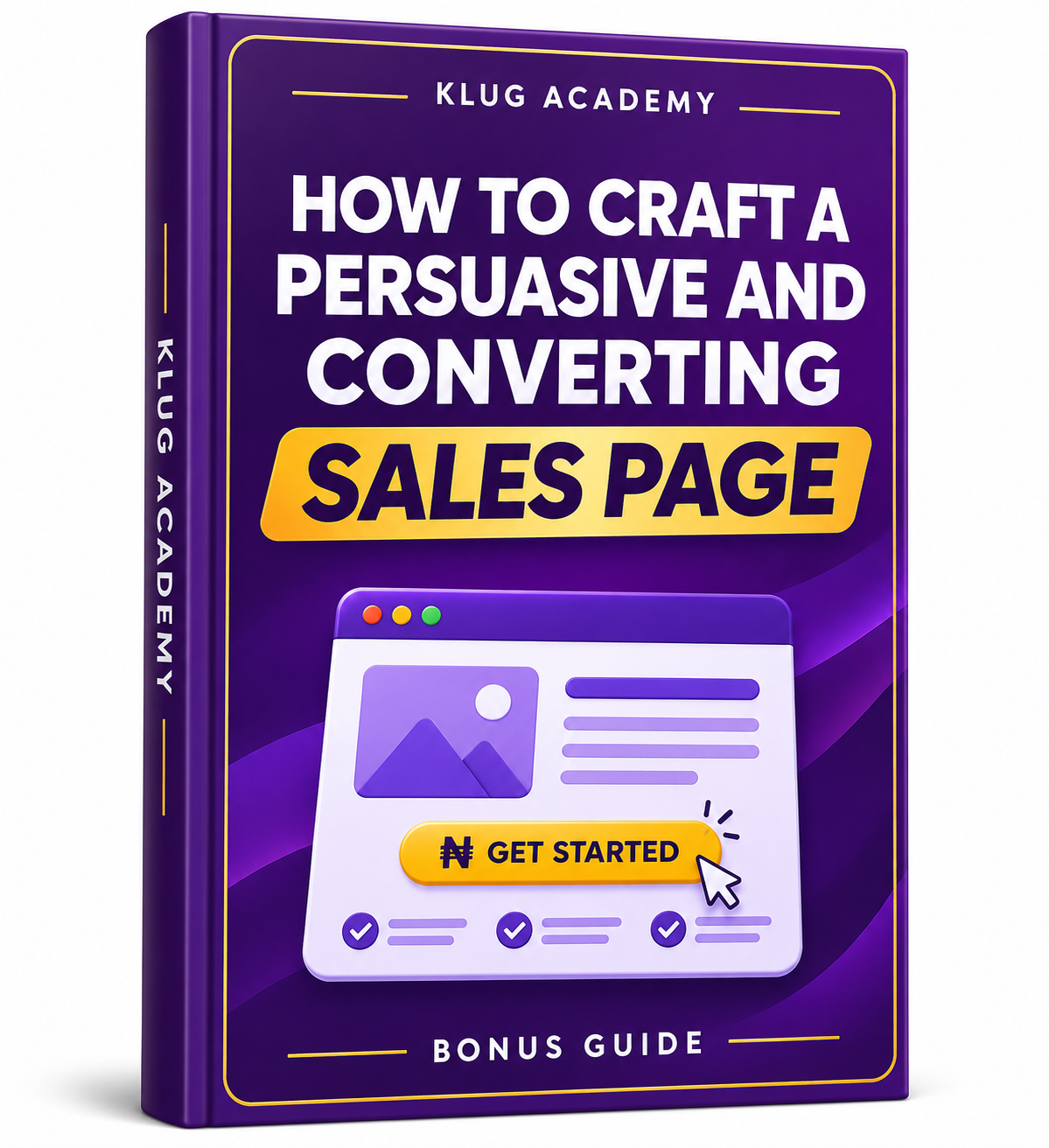
How to Craft a Persuasive and Converting Sales Page
Learn how to explain your offer, answer buyer objections and guide visitors towards an order.
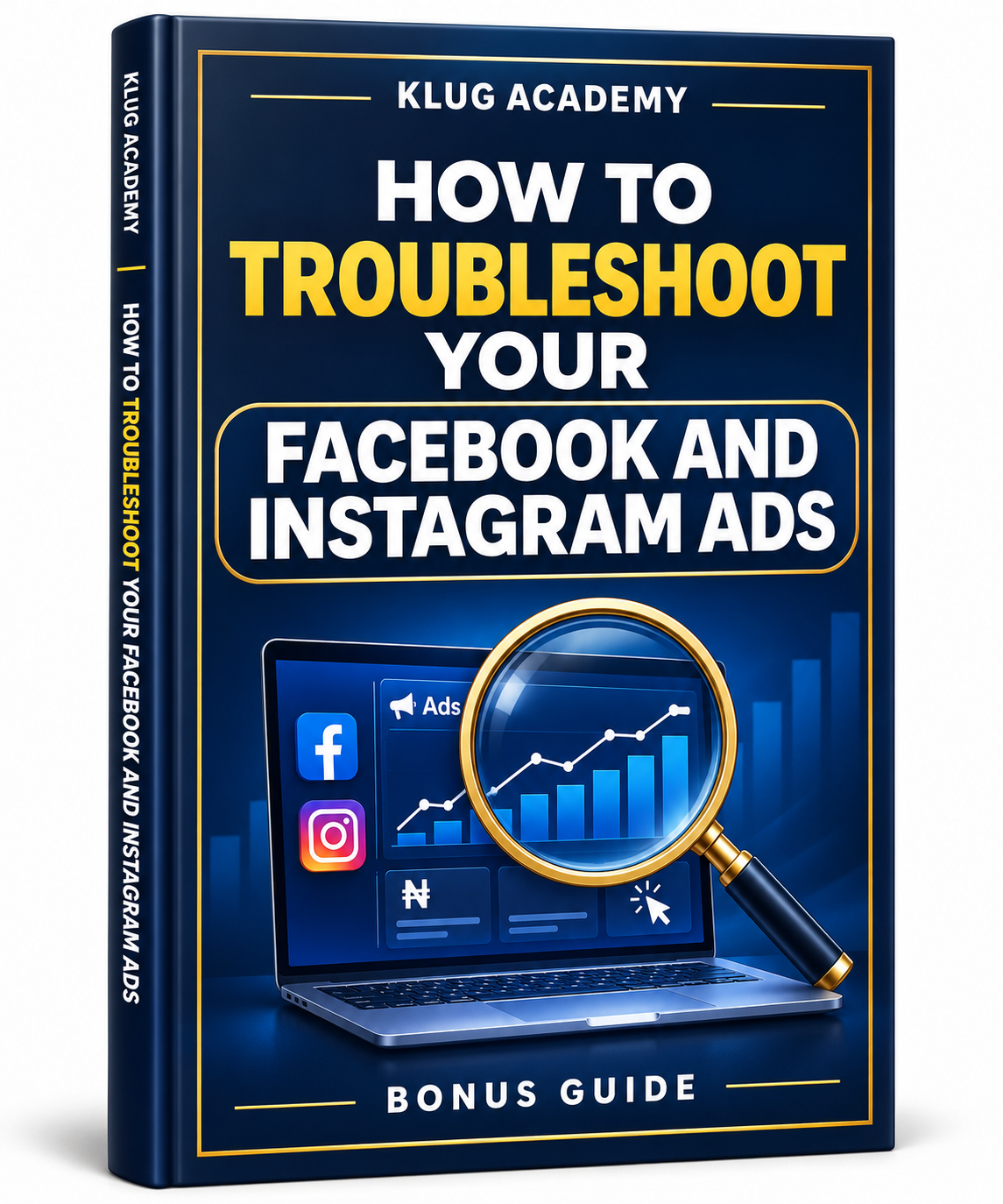
How to Troubleshoot Your Facebook and Instagram Ads
Learn what to check when an ad is not delivering or the cost of getting orders is rising.
How to Use AI to Create High-Converting Creatives
Learn how to turn product details into advertising ideas and creative materials you can test.
How to Find Local Products for ₦2,000–₦5,000 and Sell for ₦45,000–₦50,000
Learn how to assess locally available products and compare sourcing costs with realistic selling prices. This broader sourcing lesson is separate from the five-product pack, whose indicated sourcing range is ₦5,000–₦7,000 per item. Actual prices and margins vary.
Use these guides alongside the core training. Product prices, demand and actual margins vary; advertising, delivery and returns affect results.
Practical training and included resources. Paystack processing charges apply at checkout.
A route to getting started
From the product pack to your first campaign.
Standard enrollment includes the five-product resource pack, Elementor sales-page templates, and both image and video creatives. Use these as a starting point while you work through the lessons.
Understand the offer: review the product, customer, price, availability and supplier terms.
Prepare your page: adapt the supplied sales material for your offer and order process.
Prepare your ads: choose the supplied creatives and apply the advertising lessons.
Run a controlled test: use a budget you can afford, respond to enquiries and follow up on orders.
Review before scaling: compare advertising, delivery and returns costs against completed sales.
We can connect students with delivery agents. You may also partner with us to sell products we have available, subject to current stock and agreed terms. Before taking orders, agree who dispatches, collects customer payments, settles your margin and handles failed deliveries or returns. A purchase reported by an ad platform is not the same as a delivered, profitable sale.
Your next step
Ready to Learn the Process Behind My Business?
The E-commerce Money Blueprint brings my practical experience into step-by-step training, with resources you can use as you prepare your own business.
Choose this training if you are ready to work through the lessons, evaluate products carefully and put time into implementation.
Standard Blueprint
The E-commerce Money Blueprint
₦25,000
Core written and video training
Product research, suppliers and China sourcing
Facebook ads, sales pages and AI-assisted creatives
Order management and fulfilment fundamentals
Five tested product opportunities and sourcing information
Elementor sales-page templates
Image and video advertising creatives
Supplier/product resources and approved dropshipping access
Four practical bonus topics
Student dashboard and lesson progress tracking
One-time course payment, plus Paystack processing charges shown at checkout. Access follows verified payment and account setup.
Before you enroll
Your questions, answered.
Do I need a laptop?
Not necessarily. I began using Chrome's desktop mode on a Tecno Spark 7. A tablet or laptop can make some tasks easier; you will need internet access and suitable accounts for the tools you use.
Do I have to find and buy products before starting?
The starting pack provides access to five tested product opportunities, Elementor sales-page templates, and image and video creatives. Physical stock is not included in enrollment. You can use the approved dropshipping route without buying stock first, subject to availability and supplier terms. Confirm current prices, your margin, delivery and returns before advertising. Advertising and other operating costs are separate.
Can I do this alongside work, school or NYSC?
The online lessons let you plan your study time. Running the business still requires time for advertising, customer enquiries and order follow-up. Plan those tasks around your existing commitments.
What advertising budget can I start with?
We suggest ₦5,000–₦7,000 for an initial small test, separate from the course fee. It may not produce an order, and more testing may be needed. Plan for internet, page hosting, delivery and other operating costs too. Review your results before spending more.
Can I finish the course in 7–8 days?
That is a suggested study pace for someone who can commit the time. Work through the lessons and apply the steps at your own pace. Implementation continues after watching the training.
Will I make money within two weeks?
No income or deadline is guaranteed. The aim is to help you start implementing within that period. Demand, your offer, execution, advertising costs and fulfilment affect the outcome.
Does the course price cover my ads and stock?
No. It pays for the training and included resources. Internet access, advertising, stock if you choose to buy it, shipping and other business expenses are separate.
How do I access the lessons and bonuses?
After verified payment, use your Academy account to access published lessons and resources. New accounts receive a password-setup link; if a message is missing, check spam or request a fresh link through password recovery.
Your starting point can be different from mine
Your Starting Point Does Not Have to Look Like Mine.
You have seen where I started. Now learn the decisions, practical steps and lessons behind the business—and begin working through your own next steps.
Secure enrollment
Payment is processed on Paystack. We never collect your card details.